Do You Really Need Orthotics? Here’s What Experts Say
Orthotics are a targeted medical intervention for specific mechanical foot, ankle, knee, and lower‑back problems after assessment and failed conservative care mobile podiatrist perth. Experts recommend screening for red flags, using objective outcome measures, and time‑limited trials. Proven indications include plantar fasciitis, medial tibial stress syndrome, and early posterior tibial tendon dysfunction. Poorly matched or overly rigid devices can worsen symptoms. Prefabricated options suit mild cases; custom molds fit complex deformities. Continue to learn how assessment, fitting, and follow‑up determine benefit.
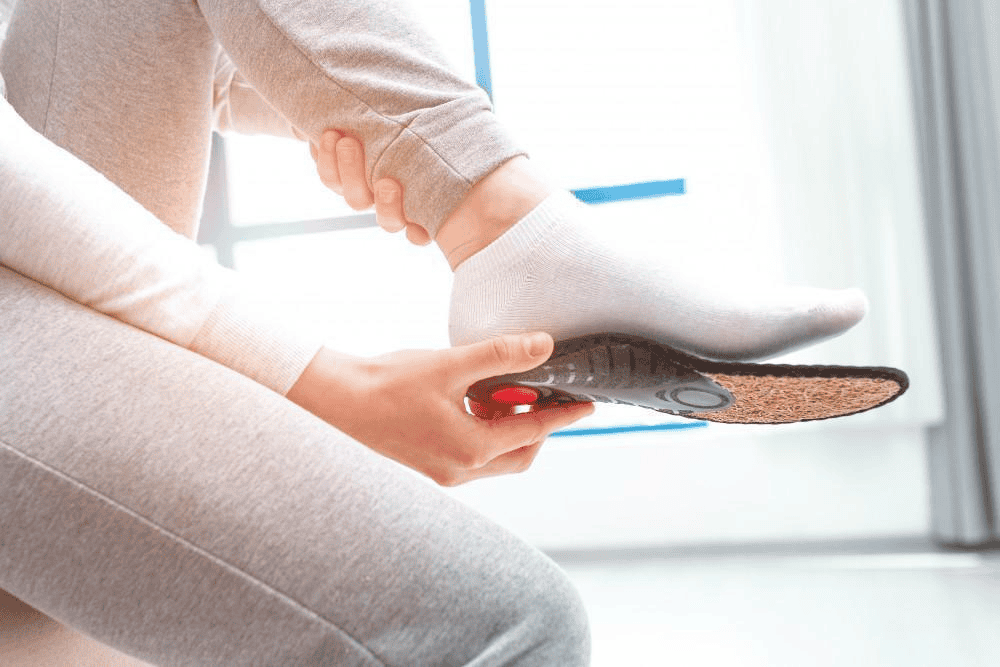
Do You Actually Need Orthotics? A Quick Decision Checklist
When persistent foot, ankle, knee, or lower back symptoms interfere with function despite conservative measures, clinicians should consider whether orthotic intervention is indicated.
A concise decision checklist evaluates symptom chronicity, response to targeted therapy, alignment and gait abnormalities, comorbidities, and clear activity goals.
Clinicians screen for red flags—progressive neurologic deficit People Podiatry, infection, fracture, vascular compromise—that mandate urgent referral rather than orthotic trials.
If symptoms persist despite optimized footwear, strengthening, and load management, a time-limited orthotic trial aligned with measurable activity goals is reasonable.
Objective outcome measures and predefined thresholds for continuation or discontinuation preserve patient autonomy and mobility.
Shared decision-making documents expected benefits, limitations, cost, and trial duration to support informed, freedom-oriented choices.
Which Foot, Ankle, and Leg Problems Orthotics Can Reliably Help
Identify conditions with reproducible evidence of benefit to guide appropriate orthotic use. Evidence supports targeted orthotic interventions for specific diagnoses where symptom reduction and functional gain are documented. Commonly helped conditions include load-related plantar fascia inflammation and overuse tibial stress syndromes when biomechanical contributors are identified. Clinical selection prioritizes symptom pattern, exam findings, and response to conservative measures.
- Plantar fasciitis: night pain reduction, decreased morning stiffness, improved activity tolerance with heel cushioning or arch support.
- Shin splints (medial tibial stress syndrome): reduced pain with shock-absorbing insoles and controlled pronation.
- Stage-specific posterior tibial tendon dysfunction: orthoses for support in early stages to preserve function.
Recommendations emphasize individualized fitting, objective reassessment, and clear goals to preserve mobility and autonomy.
When Orthotics Usually Don’t Work : And When They Can Make Things Worse
In clinical practice, orthotics are least effective for vague, nonmechanical foot pain or diffuse multisite pain without clear biomechanical contributors, and can sometimes worsen symptoms when prescribed without a targeted diagnosis or proper fit.
Evidence shows devices that are overly rigid or poorly contoured can provoke altered gait, increase joint stress, and transfer load to adjacent tissues. Inadequate cushioning exacerbates impact-related symptoms, while improperly balanced support may create or perpetuate a worsened muscle imbalance.
Outcomes worsen when devices are used as a first-line, undifferentiated remedy rather than as part of a diagnostic and rehabilitative plan. Clinicians should reserve orthotic prescription for identified mechanical deficits, monitor response objectively, and prioritize reversible, minimal interventions to preserve patient mobility and autonomy.
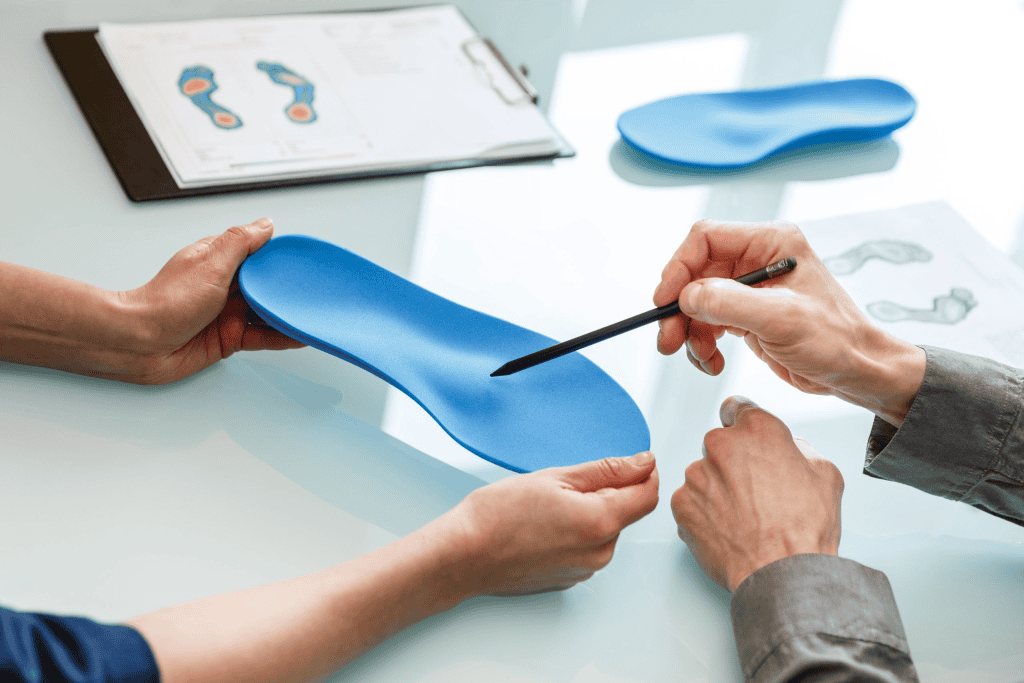
Types of Orthotics (Custom vs Prefabricated) and Who Should Get Each
Although both custom and prefabricated orthotics aim to modify foot mechanics and redistribute load, they differ markedly in fabrication, specificity, and cost-effectiveness. Evidence supports selection based on pathology severity, activity demands, and patient preference for autonomy. Custom molds provide precise correction for structural deformity, complex biomechanics, or persistent symptoms despite conservative care. Off the shelf devices suit mild to moderate conditions, maintenance use, or transient activity-related pain and facilitate immediate access.
- Material choices influence durability, flexibility, and accommodation: high-density foams or carbon for rigidity; EVA or gel for cushioning.
- Cost comparison favors prefabricated devices for short-term trials; customs incur higher upfront expense but may reduce long-term disability in selected cases.
- Clinicians should match device type to objective clinical findings and functional goals.
How to Get the Right Orthotics: Assessment, Fitting, Trial, and Follow-Up
Beginning with a structured assessment, clinicians perform a focused history and biomechanical examination—documenting pain patterns, gait, joint range, muscle strength, limb length, and foot posture—to determine orthotic indications and design requirements.
Objective measures such as gait analysis and pressure mapping refine prescription specifics, guiding shell type, posting, and cushioning.
During fitting, iterative adjustments guarantee alignment, comfort, and functional improvement; clinicians verify fit in shoes and during representative activities.
A prescribed trial period evaluates symptomatic response and biomechanical change, with standardized outcome measures quantifying progress.
Follow-up visits at short and medium intervals address wear-related changes, gait adaptations, and activity modification.
If goals are unmet, clinicians revise materials, geometry, or refer for adjunct therapies, maintaining patient autonomy and return to unrestricted mobility.
Conclusion
To summarize, current evidence supports selective orthotic use: they can provide meaningful symptom relief and functional improvement for specific biomechanical, neuropathic, and load-related foot, ankle, and lower‑limb conditions when prescribed after objective assessment. Orthotics are less effective for nonspecific pain or unaddressed proximal drivers and can exacerbate issues if ill‑fitted. Best outcomes require targeted indication, appropriate device type, professional fitting, a monitored trial period, and iterative adjustments based on patient response and objective measures.