Browsed by
Category: Uncategorized

Laser Diffraction vs Dynamic Light Scattering: Which Particle Size Analyzer Is Best?

Laser Diffraction vs Dynamic Light Scattering: Which Particle Size Analyzer Is Best?

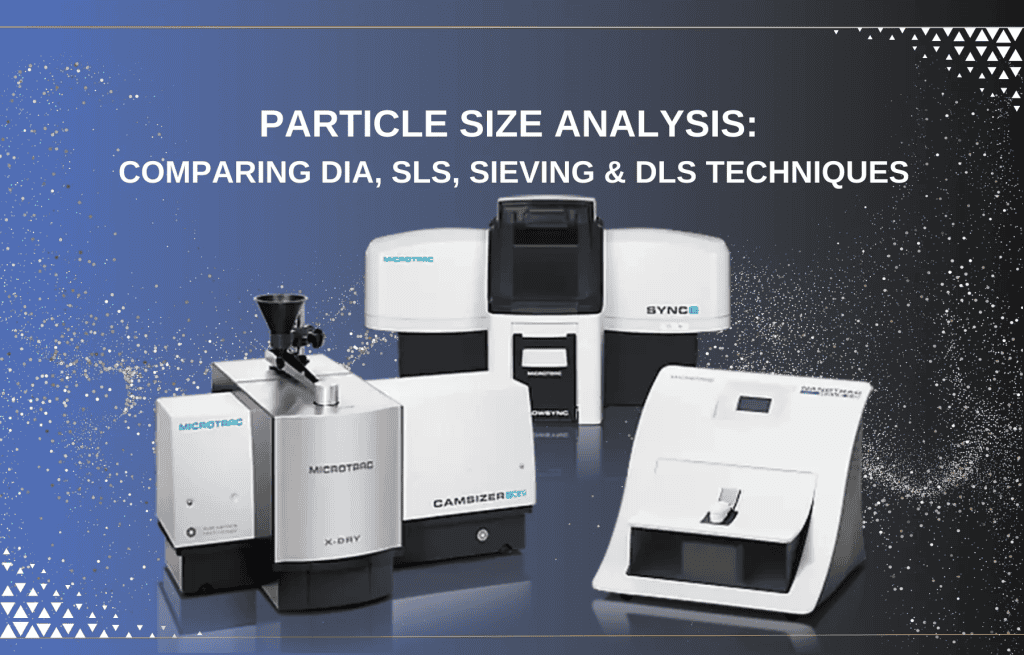
When you need to measure particle size, choosing the right analyzer can be tricky. Laser diffraction offers quick results across a wide size range Particle Size Distribution testing, but dynamic light scattering shines when you’re working with nanoparticles. Your decision hinges on factors like sample type, accuracy, and speed. Before you settle on one method, it’s important to understand how each works and what trade-offs you might face.
How to Choose Between Laser Diffraction and Dynamic Light Scattering

When deciding between laser diffraction and dynamic light scattering Lab Alliance, you’ll want to think about the size range and concentration of your particles.

Laser diffraction excels with larger particles, typically from about 0.1 microns up to a few millimeters, making it ideal when you need to analyze broad size distributions quickly.

On the other hand, dynamic light scattering shines with nanoparticles, often below 1 micron, offering precise measurements for very small particles but requiring dilute samples to avoid multiple scattering effects.

Your choice depends on whether you prioritize measuring fine details in tiny particles or handling a wider range with higher concentrations.

How Laser Diffraction Measures Particle Size

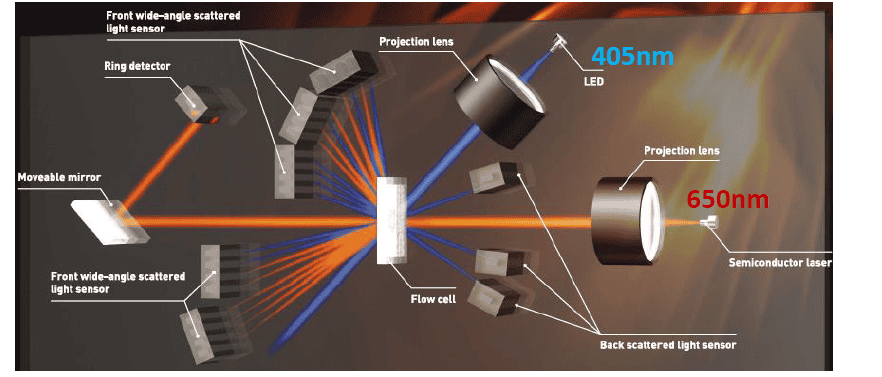
Choosing laser diffraction means you’re relying on a method that measures particle size by analyzing how a laser beam scatters as it passes through a sample.

When the laser hits particles, they scatter light at angles inversely related to their size—larger particles scatter light at smaller angles, while smaller ones scatter it at wider angles.

You capture this scattering pattern with detectors positioned around the sample.

By applying mathematical models like the Mie theory, the analyzer converts these scattering patterns into a detailed particle size distribution.

This process lets you quickly and accurately measure a broad range of particle sizes in one go.

Laser diffraction gives you the freedom to analyze powders, suspensions, or emulsions with minimal sample prep, empowering you to get reliable size data fast and move forward confidently.

Why Dynamic Light Scattering Excels at Small Particle Size Analysis

Because Dynamic Light Scattering (DLS) analyzes fluctuations in scattered light intensity caused by the Brownian motion of particles, it excels at detecting very small particles, often in the nanometer range.

When you need detailed insights into nanoparticles or fine colloids, DLS provides the sensitivity and resolution you require. It measures particle size based on how quickly particles move, giving you precise data on tiny particles that other methods might miss.

You won’t be limited by large sample volumes or complex preparation steps, so you can quickly assess your samples with minimal hassle.

If you want freedom in analyzing small particles with accuracy and ease, DLS is a tool designed to meet that need efficiently and reliably.
Comparing Accuracy and Speed: Laser Diffraction vs. DLS

Dynamic Light Scattering offers impressive sensitivity for analyzing tiny particles, but you might wonder how it compares to Laser Diffraction regarding accuracy and speed.

When it comes to accuracy, Laser Diffraction excels at measuring a broad size range quickly and reliably, giving you consistent results for larger particles. DLS shines with nanoparticles, providing detailed size distribution for very small particles, though it may struggle with polydisperse samples.

Regarding speed, Laser Diffraction generally delivers faster measurements, letting you process many samples efficiently. DLS, while slightly slower, gives you deeper insights into particle dynamics but requires more careful sample preparation.

Ultimately, your choice depends on whether you prioritize quick, broad-range data or highly sensitive analysis at the nanoscale, giving you the freedom to match the method to your needs.

How Much Does Each Analyzer Cost and What’s the Maintenance Like?

While both Laser Diffraction and DLS analyzers offer valuable insights, their costs and maintenance needs can differ markedly.

Laser Diffraction systems typically come with a higher upfront price, often ranging from $30,000 to $80,000, but they’re built for durability and easier upkeep. You’ll spend less time on routine cleaning and calibrations, giving you more freedom to focus on results.

DLS analyzers tend to be more affordable initially, usually between $15,000 and $50,000, but they require more frequent maintenance. The sensitive optics and laser components need careful handling and regular calibration, which can add to your time and cost in the long run.

Choosing between them means balancing your budget with how much hands-on care you’re willing to provide.

Conclusion

When choosing between laser diffraction and dynamic light scattering, consider your particle size range and precision needs. If you need quick, broad-range measurements from powders to large particles, laser diffraction is your go-to. But for detailed, sensitive analysis of nanoparticles under one micron, DLS is better. Think about accuracy, speed, cost, and maintenance to match your sample type and budget. Selecting the right tool guarantees reliable results without overspending or compromising quality.
Travel Exhibition Booth Design Ideas for Tourism Brands

Travel Exhibition Booth Design Ideas for Tourism Brands

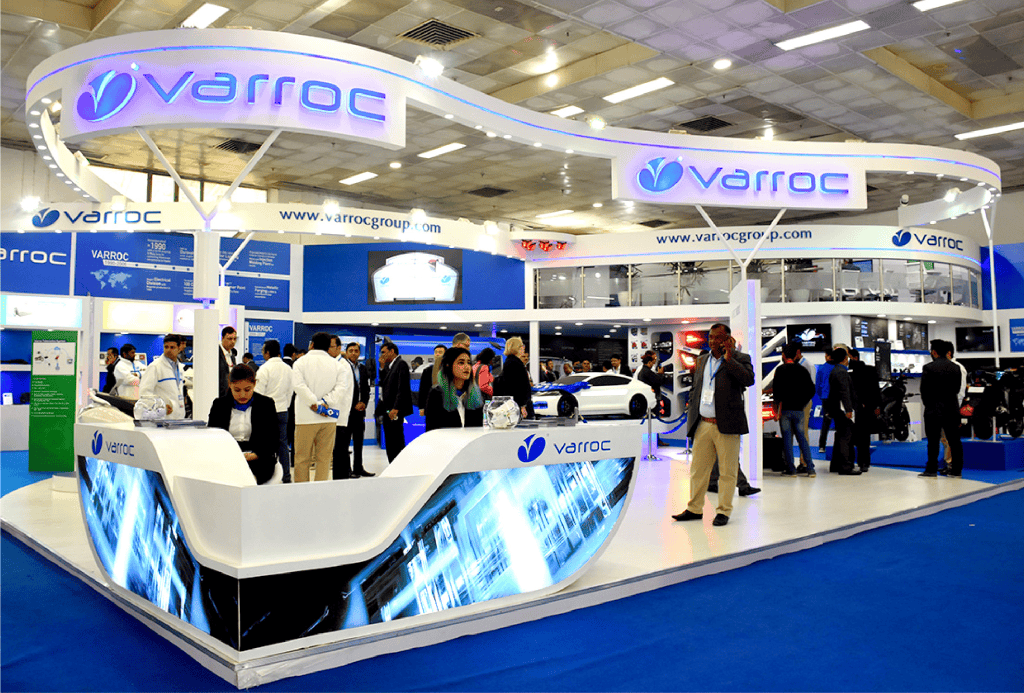
Travel exhibition booths for tourism brands excel by combining authentic storytelling with immersive technology, such as virtual reality and augmented reality experiences tourism exhibition design. Themed décor reflecting regional culture and sustainable materials like bamboo and reclaimed wood enhance visual appeal while showcasing eco-consciousness. Interactive elements and sensory experiences transform visitors into enthusiastic explorers. By merging these components, booths effectively capture attention, foster emotional connections, and inspire wanderlust. Exploring these design strategies reveals how to create truly engaging travel exhibitions.

Craft a Compelling Story for Your Travel Booth

A compelling story serves as the foundation for an effective travel exhibition booth, capturing visitors’ attention and conveying the brand’s unique value. It invites potential travelers to envision a journey beyond the ordinary matta fair booth design, emphasizing freedom to explore new horizons.

This narrative should focus on authentic experiences, cultural immersion, and the thrill of discovery, resonating deeply with those seeking liberation from routine. By clearly articulating what sets the destination or service apart—whether it’s untouched landscapes, vibrant communities, or transformative adventures—the story creates an emotional connection.

A well-crafted narrative also guides the booth’s visual and verbal elements, ensuring consistency and clarity. Ultimately, this story empowers visitors to imagine themselves as active participants in their own unique travel experience, inspiring curiosity and desire to set out.

Engage Visitors With Interactive Technology at Travel Expos

How can travel brands capture and hold the attention of visitors in a bustling expo environment? Interactive technology offers an effective solution, allowing attendees to engage directly with a destination’s unique experiences.

By integrating digital tools, travel brands create memorable, immersive moments that inspire freedom and exploration.

Key interactive technology ideas include:

  • Virtual reality tours transporting visitors to exotic locations
  • Touchscreen maps highlighting personalized travel itineraries
  • Augmented reality experiences showcasing cultural landmarks
  • Interactive photo booths enabling instant social sharing

These technologies invite visitors to actively participate rather than passively observe, fostering deeper connections and sparking wanderlust.

Embracing innovation, travel brands can transform their booths into dynamic hubs where freedom to explore is both felt and envisioned.

Design Themed Décor That Reflects Your Tourism Brand

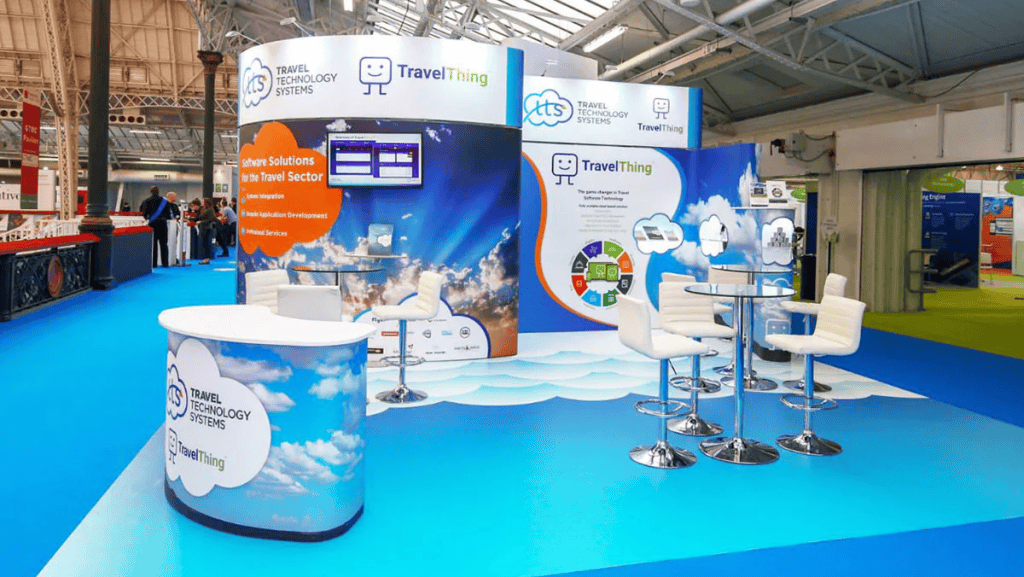
Beyond technology, the physical environment of a booth plays a pivotal role in conveying a tourism brand’s identity. Themed décor rooted in the destination’s culture, landscapes, or unique experiences creates an immersive atmosphere that invites visitors to envision their own adventures.

Elements such as authentic artifacts, regional colors, and signature motifs communicate the brand’s essence without words, sparking curiosity and desire. Thoughtful design choices help break down barriers, offering a sense of freedom and escape through visual storytelling.

Use Sustainable Materials to Build an Eco-Friendly Booth

Why prioritize sustainability when designing a travel exhibition booth? Embracing eco-friendly materials aligns with the values of today’s conscious travelers who seek freedom not only in exploration but also in responsible choices.

A booth built from sustainable components reflects respect for the planet and inspires visitors to contemplate their environmental impact.

Key sustainable materials include:

  • Reclaimed wood for authentic and rustic aesthetics
  • Bamboo, known for its rapid renewability and strength
  • Recycled aluminum, combining durability with reduced resource consumption
  • Biodegradable fabrics for signage and décor that minimize waste

Using these materials reduces the ecological footprint while creating a unique, inviting space. This approach empowers tourism brands to showcase their commitment to a greener future, resonating with audiences eager to explore the world responsibly and freely.

Create Memorable Experiences That Spark Wanderlust

What captures the imagination of potential travelers most effectively is an immersive and engaging experience. Travel brands designing exhibition booths should focus on creating authentic moments that evoke curiosity and desire for exploration.

Incorporating interactive elements such as virtual reality tours or sensory stimuli allows visitors to momentarily escape their routine and envision new adventures. Showcasing local culture through live demonstrations or storytelling can deepen emotional connections, inspiring a longing to discover unfamiliar places.

Prioritizing freedom of choice within the booth experience encourages visitors to follow their own paths of interest, fostering genuine wanderlust. Ultimately, memorable experiences that stimulate the senses and imagination transform passive onlookers into enthusiastic travelers, ready to embrace the unknown with enthusiasm and an open heart.

Conclusion

A well-designed travel exhibition booth effectively communicates a tourism brand’s story while engaging visitors through innovative technology and immersive themed décor. Prioritizing sustainability in booth construction not only reflects eco-conscious values but also enhances brand reputation. By creating memorable, interactive experiences, travel brands can inspire wanderlust and leave a lasting impression on attendees. Ultimately, thoughtful design and purposeful engagement are key to standing out in the competitive travel expo environment.

Ion Chromatography Standards and Regulatory Guidelines

Ion Chromatography Standards and Regulatory Guidelines

When you work with ion chromatography, following established standards and regulatory guidelines isn’t just a formality—it’s essential for producing accurate Cation analysis, consistent results you can trust. These protocols help you navigate calibration, validation, and quality control to meet industry expectations and regulatory demands. But understanding how these requirements impact your daily workflow and data integrity can be more complex than it seems, especially when compliance audits and documentation come into play.

Ion Chromatography Standards Labs Should Follow

Although ion chromatography techniques vary https://laballiance.com.my/, labs should always follow established standards to ensure accurate and reliable results.

You’ll want to stick to protocols like those from ASTM, ISO, or EPA, which provide clear methods for sample preparation, instrument calibration, and data reporting.

These standards help you avoid inconsistencies that could compromise your findings.

Don’t skip routine checks on your equipment’s performance or the use of certified reference materials—they’re crucial for verifying accuracy.

By adhering to these guidelines, you maintain your lab’s credibility and keep your work reproducible.

You’re free to innovate, but grounding your methods in recognized standards ensures your results hold up under scrutiny and you can confidently share your data with others in your field.

How Regulations Affect Your Ion Chromatography Work

When you conduct ion chromatography work, regulations play a key role in shaping your procedures and outcomes. They set clear boundaries to ensure your results are reliable, consistent, and accepted across industries.

While these rules might feel restrictive, they actually protect your freedom to produce data that stands up to scrutiny. Following regulations means you can confidently share findings with clients, regulators, or collaborators without second-guessing their validity.

They also help you avoid costly mistakes or legal issues by guiding your method choices and documentation practices. Embracing these frameworks lets you focus on innovation within a trusted structure, ensuring your work remains both flexible and credible.

Ultimately, understanding how regulations affect your ion chromatography efforts empowers you to work smarter, not harder.

Validation and Calibration Requirements for Ion Chromatography

Since accurate results depend heavily on your system’s performance, you must prioritize thorough validation and regular calibration in ion chromatography. Validation confirms that your method consistently produces reliable data under your specific conditions.

You’ll verify parameters like accuracy, precision, linearity, detection limits, and robustness. Calibration ensures your instrument’s response matches known standards, letting you trust the concentration values you measure.

You should perform calibration with certified reference materials and update it routinely, especially after maintenance or changes in reagents and columns. Skipping these steps risks compromised data and non-compliance with regulatory expectations.

Quality Control Procedures for Reliable Ion Chromatography Data

To ensure your ion chromatography results remain consistent and trustworthy, you need to implement rigorous quality control procedures. Start by running regular system suitability tests to verify instrument performance before analyzing samples. Use control standards frequently to monitor accuracy and precision, and track these results over time to catch trends early.

Don’t skip routine maintenance like cleaning columns and replacing consumables, which keeps your system running smoothly. Employ blank samples to detect contamination and ensure baseline stability. Document every step meticulously to maintain transparency and enable troubleshooting when necessary.

Compliance Tips for Ion Chromatography Labs

Although ion chromatography labs focus heavily on data accuracy, maintaining compliance with industry regulations and standards is equally crucial. To stay on track, you should keep your documentation thorough and up to date—this makes audits smoother and proves your lab’s integrity.

Regularly reviewing and updating your standard operating procedures ensures you meet evolving guidelines without feeling constrained. Invest in ongoing training for your team so everyone understands compliance expectations clearly.

Don’t hesitate to use technology for tracking samples and results; it keeps your workflow transparent and efficient. Lastly, foster a culture of accountability and openness, where questions about compliance are welcomed. By doing this, you’ll protect your lab’s freedom to innovate while staying firmly within regulatory boundaries.

Conclusion

By following ion chromatography standards and regulatory guidelines, you ensure your lab produces reliable, accurate, and defensible data. Stick to validated methods, perform routine calibrations with certified references, and implement strict quality control procedures. Keep your documentation updated, train your staff regularly, and maintain your equipment well. Doing so not only keeps you compliant with ASTM, ISO, and EPA protocols but also builds trust in your results across industries, making your work both transparent and robust.

How Exhibition Booth Design Helps Businesses Generate More Leads

How Exhibition Booth Design Helps Businesses Generate More Leads

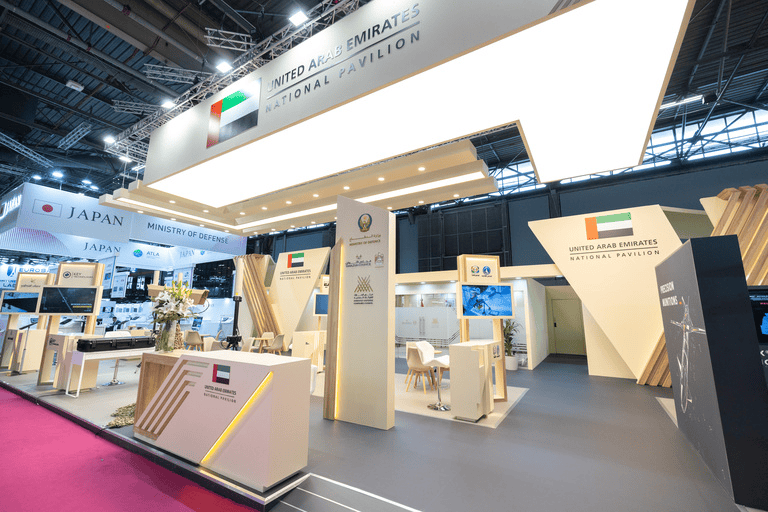
Exhibition booth design markedly enhances lead generation by combining clear, focused messaging with bold visual elements that boost engagement by up to 60%. Optimized layouts improve visitor flow and dwell time by 30%, while interactive technologies increase interaction by 45%, capturing qualified leads efficiently. Integrating CRM and data tracking refines lead quality and ROI measurement. These strategic components create a powerful platform for generating and nurturing leads booth design for exhibition, with further insights revealing how to maximize these benefits.

How to Design an Exhibition Booth That Grabs Attention

How can an exhibition booth effectively capture the interest of passersby in a crowded trade show environment? Strategic booth design prioritizes a clear value proposition and intuitive layout to streamline visitor flow Upstage Expo. Data shows that booths with focused messaging increase engagement by up to 60%.

Incorporating interactive elements, such as touchscreens or product demos, can boost dwell time by 45%, facilitating meaningful conversations. Effective use of lighting highlights key areas, guiding attention without overwhelming the senses.

Additionally, positioning the booth near high-traffic zones amplifies visibility, capitalizing on natural foot traffic patterns. By integrating these evidence-based tactics, businesses can break through noise, attract qualified prospects, and foster lead generation—empowering them to operate with freedom and confidence in competitive trade show settings.

Visual Design Elements That Boost Lead Generation

Numerous visual design elements substantially influence lead generation by enhancing booth appeal and visitor engagement. Strategic use of color, typography, and imagery creates immediate emotional connections, increasing dwell time. Data indicates booths with dynamic digital displays see a 30% rise in visitor interaction. Clear branding and concise messaging assure visitors quickly comprehend value propositions, driving qualified leads. Lighting accentuates focal points, guiding visitor attention effectively.

Key visual design elements include:

  • Bold, contrasting colors to capture attention and evoke brand identity
  • High-resolution visuals that communicate professionalism and product benefits
  • Interactive digital signage to engage and inform visitors dynamically
  • Consistent, legible typography for quick message absorption

These elements collectively empower businesses to attract and convert visitors, fostering freedom in lead generation strategies.

Optimizing Booth Layout and Space for Visitor Engagement

When designed with deliberate consideration of flow and functionality, booth layout and spatial arrangement markedly amplify visitor engagement. Strategic use of open spaces encourages natural movement, reducing congestion and inviting exploration. Data indicates that booths with intuitive pathways increase visitor dwell time by up to 30%, directly correlating with higher lead capture rates.

Allocating dedicated zones for interaction, demonstration, and private consultation balances openness with purposeful engagement, catering to diverse visitor preferences. Modular furniture and flexible configurations empower exhibitors to adapt dynamically, optimizing comfort and accessibility. Prioritizing clear sightlines and minimizing clutter enhances visual appeal and navigability, fostering a welcoming atmosphere.

Ultimately, an optimized layout transforms passive attendees into active participants, maximizing the booth’s potential to generate meaningful connections without restricting visitor autonomy.

Using Technology to Turn Visitors Into Qualified Leads

Optimized booth layouts create a foundation for meaningful interactions, yet technology enhances these engagements by systematically identifying and qualifying potential leads.

Integrating digital tools allows businesses to capture visitor data efficiently, enabling targeted follow-ups and higher conversion rates.

Advanced technologies such as AI-driven chatbots and facial recognition can analyze visitor behavior in real time, distinguishing serious prospects from casual attendees.

Interactive touchscreens and mobile apps engage visitors actively, providing instant access to product information and personalized content.

Key technological strategies include:

  • Utilizing lead retrieval systems for seamless data capture
  • Implementing AI analytics to score and prioritize leads
  • Employing interactive displays to increase visitor engagement
  • Integrating CRM platforms to automate lead nurturing processes

These innovations empower businesses to maximize lead quality while respecting visitor autonomy.

Measuring Your Exhibition Booth’s Impact on Lead ROI

Effectiveness in exhibition marketing is measured not only by the volume of leads generated but by the tangible return on investment (ROI) those leads deliver. To accurately measure an exhibition booth’s impact on lead ROI, businesses must implement robust tracking systems that capture lead source, engagement level, and conversion rates.

Integrating CRM data with booth interactions enables a clear view of how design elements and visitor experiences translate into sales opportunities. Quantifying metrics such as cost per lead, lead quality, and post-event sales provides actionable insights to refine booth strategies.

This data-driven approach empowers businesses to allocate resources efficiently, maximize lead conversion, and ultimately secure financial freedom through smarter exhibition investments that deliver measurable, strategic growth.

Conclusion

Effective exhibition booth design strategically integrates visual appeal, optimized layouts, and advanced technology to maximize visitor engagement and lead generation. Data consistently shows that well-designed booths not only attract more foot traffic but also enhance lead qualification and conversion rates. By measuring impact through lead ROI, businesses can refine their approach, ensuring resources yield measurable returns. Ultimately, a purposeful, data-driven booth design is essential for transforming exhibition presence into sustained business growth.

Touch Concept Review: Exhibition Booth Design Malaysia for Business Events

Touch Concept Review: Exhibition Booth Design Malaysia for Business Events

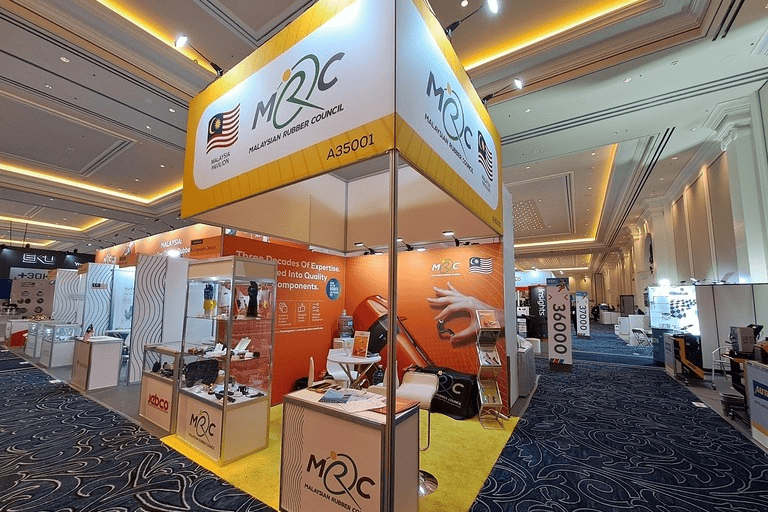
Touch Concept Review specializes in exhibition booth design in Malaysia, enhancing brand visibility and audience engagement at business events booth design for exhibition. Their booths combine innovation, functionality, and cultural relevance, tailored to each brand’s identity and local market trends. Emphasizing modularity and strategic layouts, they facilitate seamless visitor interaction and effective communication. With a focus on meticulous project management and adaptable design, Touch Concept Review guarantees impactful, bespoke exhibition solutions. Exploring this further reveals how they drive meaningful connections and long-term growth for Malaysian brands.

Why Exhibition Booth Design Matters in Malaysia

Exhibition booth design plays a critical role in Malaysia’s competitive trade show environment by directly influencing brand visibility and audience engagement. In this landscape, where numerous businesses vie for attention, a strategically crafted booth distinguishes a brand from competitors.

Effective design integrates visual appeal with functional layout https://www.touchconcept.com.my/, ensuring seamless interaction and clear communication of brand identity. It leverages cultural nuances and local market trends to resonate with Malaysian audiences, fostering meaningful connections.

Additionally, well-executed booth design facilitates freedom of movement and exploration, enhancing visitor experience and encouraging prolonged engagement. Ultimately, the design serves as a silent ambassador, conveying professionalism and innovation while enabling exhibitors to maximize their impact within limited event timeframes.

This strategic asset is indispensable for success in Malaysia’s dynamic trade show sector.

How to Choose the Right Exhibition Booth Design for Your Business Goals

How can businesses make certain their booth design aligns with specific objectives in a competitive trade show environment? The selection process demands strategic clarity and a focus on measurable outcomes. Businesses should begin by defining their primary goals—whether brand visibility, lead generation, or product demonstration.

Next, they must evaluate design options that effectively support these goals without compromising flexibility. Finally, verifying logistical considerations such as space, budget, and local regulations guarantees feasibility and smooth execution.

Key steps include:

  1. Aligning design elements with targeted business outcomes.
  2. Prioritizing adaptability to accommodate evolving marketing strategies.
  3. Confirming compliance with event-specific constraints and operational needs.

This disciplined approach empowers businesses to maximize impact while maintaining freedom to innovate within defined parameters.

What Makes Touch Concept Review Booths Stand Out

After establishing the importance of aligning booth design with specific business objectives, it becomes clear that selecting a partner with proven expertise is equally essential.

Touch Concept Review distinguishes itself through a strategic blend of innovation, functionality, and adaptability. Their booths are crafted to optimize visitor engagement while maintaining brand integrity, ensuring a seamless experience that empowers clients to communicate their message effectively.

Emphasizing modularity and high-quality materials, Touch Concept Review booths offer flexibility to accommodate diverse event formats and spatial constraints.

Additionally, their commitment to meticulous project management guarantees timely delivery without compromising design excellence. This combination of strategic insight, technical skill, and operational reliability positions Touch Concept Review as a trusted choice for businesses seeking exhibition solutions that enable freedom in expression and maximize impact.

How Touch Concept Review Creates Unique Exhibition Booths for Malaysian Brands

Crafting distinctive exhibition booths for Malaysian brands involves a nuanced understanding of local market dynamics and cultural sensibilities.

Touch Concept Review achieves uniqueness by integrating strategic design elements tailored to each brand’s identity and audience. Their approach emphasizes:

  1. Cultural relevance — incorporating traditional motifs and contemporary trends to resonate authentically with Malaysian consumers.
  2. Functional innovation — optimizing space and interactive features to enhance visitor experience without compromising aesthetic appeal.
  3. Brand storytelling — creating immersive environments that communicate brand values clearly and compellingly.

This methodology allows Touch Concept Review to deliver booths that stand out in competitive business events while aligning with clients’ strategic objectives.

The result is a bespoke exhibition presence that empowers Malaysian brands to engage effectively, fostering meaningful connections and long-term growth.

Tips to Maximize Engagement With Your Touch Concept Review Booth

Building on the tailored design strategies that Touch Concept Review employs, maximizing visitor engagement is key to fully leveraging the impact of an exhibition booth. Strategic placement of interactive elements encourages visitors to explore and connect with the brand authentically.

Clear signage and intuitive layouts minimize barriers, enabling a smooth, self-directed experience. Incorporating digital touchpoints such as QR codes or augmented reality enhances engagement while maintaining visitor autonomy.

Staff training focused on approachable, non-intrusive communication fosters genuine interactions without overwhelming attendees. Additionally, offering personalized takeaways or incentives further sustains interest beyond the event.

Conclusion

Exhibition booth design plays a vital role in enhancing brand visibility and achieving business objectives in Malaysia’s competitive event landscape. Touch Concept Review distinguishes itself by delivering innovative, customized booths that align with diverse client goals. Their strategic approach fosters meaningful engagement, maximizing event impact. For Malaysian brands seeking to elevate their presence at business events, partnering with Touch Concept Review offers a proven pathway to creating memorable, effective exhibition experiences that drive measurable results.

How to Choose an Effective Bat Repellent That Actually Works

How to Choose an Effective Bat Repellent That Actually Works

Choose repellents based on documented efficacy, species behavior, and entry-point access rather than marketing claims. Prioritize physical exclusion and habitat modification supplemented by targeted, evidence-supported deterrents; ultrasonic and scent products show mixed, often short-lived results. Make sure methods comply with local laws and avoid roost disturbance during breeding seasons. Test one-way exclusions and monitor performance with scheduled inspections bat pest control. Favor reversible, minimally invasive options and consult licensed professionals when legal or safety concerns arise to learn practical implementation details.

What Actually Works: Proven Bat Repellents and Why They Deter Bats

Effective bat repellents are those with empirical support from field trials or controlled studies demonstrating reduced roosting or foraging activity.

Literature indicates that exclusion and habitat modification show consistent efficacy; sealing entry points and altering lighting or vegetation reduce attractants and access.

Ultrasonic devices produce mixed results: controlled studies often find limited or short-term displacement, likely due to habituation and frequency attenuation.

Scent based deterrents—commercial predator odors or concentrated sulfur compounds—have variable outcomes, with effectiveness depending on concentration igreenasia, application persistence, and species-specific olfactory sensitivity.

Integrated approaches combining proven physical barriers with targeted, evidence-backed repellents yield the most reliable reductions in bat presence.

Recommendations prioritize methods that minimize non-target impacts and respect legal protections for bat populations.

When selecting a bat repellent, decision-making should prioritize methods that are both legally permissible and supported by scientific evidence of humane effectiveness.

An objective assessment balances regulatory compliance, welfare outcomes, and respect for habitat preservation and personal autonomy.

Review local ordinances before implementation and document permitted times and techniques. Consider proven, nonlethal options with peer-reviewed support.

  1. Verify compliance: check local ordinances and wildlife protection statutes.
  2. Evaluate evidence: prioritize repellents with published efficacy and minimal stress indicators.
  3. Preserve habitat: choose approaches that avoid roost destruction and support long-term coexistence.

Selections should favor reversible, minimally invasive measures that protect property while conserving bat populations.

Record decisions and consult licensed wildlife professionals when regulations or welfare outcomes are unclear.

Match the Method to the Entry Point and Bat Species

Matching repellent methods to specific entry points and bat species requires assessment of roosting behavior, flight access, and sensory ecology to guarantee both legality and efficacy. Practitioners prioritize roost identification to determine whether bats use eaves, attics, chimneys, or exterior crevices; each entry demands tailored exclusion timing and device selection.

Evidence-based selection considers species behavior—migratory versus sedentary, colonial versus solitary—to predict tolerance to deterrents and best season for intervention. Visual, acoustic, and olfactory tools vary in effectiveness by sensory modality and access geometry.

Legal constraints and conservation status further constrain choices. Objective assessment of entry geometry, population size, and documented species behavior yields a targeted strategy that minimizes disturbance, maximizes removal success, and preserves occupants’ freedom to choose humane, compliant measures.

Step-by-Step Installation and Best Practices for Lasting Results

Beginning with a site survey and species confirmation, the installation sequence follows a structured protocol: document entry points and colony size, schedule work for non-breeding seasons where legally required, select exclusion materials and deterrents matched to the identified openings and bat behavior, install one-way exclusion devices or sealants according to manufacturer specifications and best-practice guidelines, and verify exclusion effectiveness with post-installation inspections and follow-up monitoring to guarantee no re-entry or unintended harm.

The technician then completes an installation checklist covering materials, fasteners, attachment points, and monitoring schedules.

Recommended practices:

  1. Confirm seasonal timing and legal windows before any exclusion work.
  2. Use manufacturer-recommended anchors and test one-way devices for at least 72 hours.
  3. Perform documented follow-up inspections at 1, 4, and 12 weeks.

After completing exclusion and monitoring steps, technicians should be aware of common errors that compromise effectiveness or violate regulations and recognize situations that require professional intervention.

Common misconceptions include assuming repellents alone resolve colonies, misidentifying entry points, or neglecting seasonal behavior patterns; evidence supports integrated exclusion plus targeted repellents.

DIY hazards arise from improper adhesive use, unsafe placement near vents, or disturbance of maternal bats, increasing legal and welfare risks.

Call a licensed wildlife control professional when bats are inside occupied living spaces, when roost size exceeds safe handling protocols, or when local laws protect species.

Safety/legal checklist: verify permits, use PPE, document exclusion integrity, avoid lethal methods unless authorized, and maintain records for accountability.

Conclusion

Conclusions emphasize that evidence-based, species-specific approaches yield the best outcomes: exclusion, habitat modification, and approved deterrents consistently outperform unverified remedies. Selection should prioritize legal, humane methods matched to entry points and bat behavior, with careful installation and monitoring to guarantee effectiveness. Practitioners should avoid common mistakes, document results, and consult licensed professionals when infestations persist or protected species are present. Safety, legality, and long-term habitat reduction remain central to lasting success.

Do You Really Need Orthotics? Here’s What Experts Say

Do You Really Need Orthotics? Here’s What Experts Say

Orthotics are a targeted medical intervention for specific mechanical foot, ankle, knee, and lower‑back problems after assessment and failed conservative care mobile podiatrist perth. Experts recommend screening for red flags, using objective outcome measures, and time‑limited trials. Proven indications include plantar fasciitis, medial tibial stress syndrome, and early posterior tibial tendon dysfunction. Poorly matched or overly rigid devices can worsen symptoms. Prefabricated options suit mild cases; custom molds fit complex deformities. Continue to learn how assessment, fitting, and follow‑up determine benefit.

Do You Actually Need Orthotics? A Quick Decision Checklist

When persistent foot, ankle, knee, or lower back symptoms interfere with function despite conservative measures, clinicians should consider whether orthotic intervention is indicated.

A concise decision checklist evaluates symptom chronicity, response to targeted therapy, alignment and gait abnormalities, comorbidities, and clear activity goals.

Clinicians screen for red flags—progressive neurologic deficit People Podiatry, infection, fracture, vascular compromise—that mandate urgent referral rather than orthotic trials.

If symptoms persist despite optimized footwear, strengthening, and load management, a time-limited orthotic trial aligned with measurable activity goals is reasonable.

Objective outcome measures and predefined thresholds for continuation or discontinuation preserve patient autonomy and mobility.

Shared decision-making documents expected benefits, limitations, cost, and trial duration to support informed, freedom-oriented choices.

Which Foot, Ankle, and Leg Problems Orthotics Can Reliably Help

Identify conditions with reproducible evidence of benefit to guide appropriate orthotic use. Evidence supports targeted orthotic interventions for specific diagnoses where symptom reduction and functional gain are documented. Commonly helped conditions include load-related plantar fascia inflammation and overuse tibial stress syndromes when biomechanical contributors are identified. Clinical selection prioritizes symptom pattern, exam findings, and response to conservative measures.

  • Plantar fasciitis: night pain reduction, decreased morning stiffness, improved activity tolerance with heel cushioning or arch support.
  • Shin splints (medial tibial stress syndrome): reduced pain with shock-absorbing insoles and controlled pronation.
  • Stage-specific posterior tibial tendon dysfunction: orthoses for support in early stages to preserve function.

Recommendations emphasize individualized fitting, objective reassessment, and clear goals to preserve mobility and autonomy.

When Orthotics Usually Don’t Work : And When They Can Make Things Worse

In clinical practice, orthotics are least effective for vague, nonmechanical foot pain or diffuse multisite pain without clear biomechanical contributors, and can sometimes worsen symptoms when prescribed without a targeted diagnosis or proper fit.

Evidence shows devices that are overly rigid or poorly contoured can provoke altered gait, increase joint stress, and transfer load to adjacent tissues. Inadequate cushioning exacerbates impact-related symptoms, while improperly balanced support may create or perpetuate a worsened muscle imbalance.

Outcomes worsen when devices are used as a first-line, undifferentiated remedy rather than as part of a diagnostic and rehabilitative plan. Clinicians should reserve orthotic prescription for identified mechanical deficits, monitor response objectively, and prioritize reversible, minimal interventions to preserve patient mobility and autonomy.

Types of Orthotics (Custom vs Prefabricated) and Who Should Get Each

Although both custom and prefabricated orthotics aim to modify foot mechanics and redistribute load, they differ markedly in fabrication, specificity, and cost-effectiveness. Evidence supports selection based on pathology severity, activity demands, and patient preference for autonomy. Custom molds provide precise correction for structural deformity, complex biomechanics, or persistent symptoms despite conservative care. Off the shelf devices suit mild to moderate conditions, maintenance use, or transient activity-related pain and facilitate immediate access.

  • Material choices influence durability, flexibility, and accommodation: high-density foams or carbon for rigidity; EVA or gel for cushioning.
  • Cost comparison favors prefabricated devices for short-term trials; customs incur higher upfront expense but may reduce long-term disability in selected cases.
  • Clinicians should match device type to objective clinical findings and functional goals.

How to Get the Right Orthotics: Assessment, Fitting, Trial, and Follow-Up

Beginning with a structured assessment, clinicians perform a focused history and biomechanical examination—documenting pain patterns, gait, joint range, muscle strength, limb length, and foot posture—to determine orthotic indications and design requirements.

Objective measures such as gait analysis and pressure mapping refine prescription specifics, guiding shell type, posting, and cushioning.

During fitting, iterative adjustments guarantee alignment, comfort, and functional improvement; clinicians verify fit in shoes and during representative activities.

A prescribed trial period evaluates symptomatic response and biomechanical change, with standardized outcome measures quantifying progress.

Follow-up visits at short and medium intervals address wear-related changes, gait adaptations, and activity modification.

If goals are unmet, clinicians revise materials, geometry, or refer for adjunct therapies, maintaining patient autonomy and return to unrestricted mobility.

Conclusion

To summarize, current evidence supports selective orthotic use: they can provide meaningful symptom relief and functional improvement for specific biomechanical, neuropathic, and load-related foot, ankle, and lower‑limb conditions when prescribed after objective assessment. Orthotics are less effective for nonspecific pain or unaddressed proximal drivers and can exacerbate issues if ill‑fitted. Best outcomes require targeted indication, appropriate device type, professional fitting, a monitored trial period, and iterative adjustments based on patient response and objective measures.

Pet Universe Cosmos: Dog Grooming School Near Me Review

Pet Universe Cosmos: Dog Grooming School Near Me Review

Pet Universe Cosmos offers dog grooming courses covering foundational techniques, breed-specific styling, and pet handling safety. Their facilities include professional-grade equipment and spacious workstations suited for various dog breeds dog grooming school near me. Hands-on training emphasizes real-world experience and skill refinement under supervision. Tuition is competitively priced with flexible class schedules and payment options. Students appreciate the knowledgeable instructors and supportive environment. More details reveal how these features come together to shape a well-rounded grooming education.

What Dog Grooming Courses Does Pet Universe Cosmos Offer?

Regarding dog grooming education, Pet Universe Cosmos provides a variety of specialized courses designed to equip students with practical skills and industry knowledge. These courses cover foundational grooming techniques, breed-specific styling, and pet handling safety, ensuring graduates gain confidence and competence.

Flexible scheduling options allow students to balance learning with personal freedom, catering to both beginners and experienced groomers seeking advanced skills. Additionally, the curriculum includes modules on business management for those interested in freelancing or running their own grooming services.

Emphasis is placed on hands-on experience, paired with theoretical understanding, to prepare students for real-world challenges. Overall, Pet Universe Cosmos offers a thorough education that supports autonomy and mastery, enabling individuals to pursue careers in dog grooming with independence and professionalism.

Facilities and Equipment for Hands-On Dog Grooming Training

At the heart of effective dog grooming education lies well-equipped facilities that foster hands-on learning. Pet Universe Cosmos provides spacious, clean workstations designed to accommodate various dog sizes and breeds, ensuring a realistic grooming environment.

The school features professional-grade grooming tables, adjustable tubs, and high-quality dryers, allowing students to practice with industry-standard tools. A diverse range of grooming supplies, including clippers, shears, brushes, and shampoos, are readily accessible, supporting thorough skill development.

Additionally, the facility includes designated areas for breed-specific styling and coat care, encouraging attention to detail. This setup empowers students to experiment and refine techniques freely, preparing them for real-world grooming scenarios without constraint or limitation.

How Hands-On Training Builds Your Grooming Skills

Mastering dog grooming techniques requires active, hands-on experience that bridges theory with practical application. At Pet Universe Cosmos, students engage directly with a variety of dog breeds, gaining confidence in handling, bathing, clipping, and styling.

This immersive approach accelerates skill acquisition by allowing learners to adapt to each pet’s unique needs and temperaments. Practical sessions foster critical decision-making and problem-solving, essential for real-world grooming challenges.

By repeatedly practicing under expert supervision, students refine precision and speed while developing a personal grooming style. This method also cultivates independence, empowering future groomers to work confidently without constant oversight.

Tuition Costs and Enrollment Flexibility at Pet Universe Cosmos

When considering enrollment in a dog grooming program, tuition costs and scheduling options play a critical role in decision-making. Pet Universe Cosmos offers competitive tuition rates that reflect the quality of instruction and hands-on experience provided.

The school structures its fees transparently, with no hidden costs, allowing prospective students to plan their budgets confidently. Enrollment flexibility is a key feature, as the school accommodates varying schedules through part-time and full-time classes, including weekend sessions. This approach supports individuals balancing work or personal commitments, granting them the freedom to learn at their own pace.

Payment plans and financial aid options further enhance accessibility. Overall, Pet Universe Cosmos prioritizes affordability and adaptable enrollment to meet the diverse needs of aspiring dog groomers seeking both value and autonomy in their education.

What Students Say About Their Experience at Pet Universe Cosmos?

How do students perceive their time at Pet Universe Cosmos? Feedback generally highlights a supportive environment that fosters practical skills and individual growth.

Many appreciate the hands-on approach, which allows them to learn at their own pace and develop confidence in grooming techniques.

The flexibility in scheduling receives positive remarks, enabling students to balance personal commitments with education.

Instructors are often described as knowledgeable and approachable, offering guidance without micromanagement.

Some students note the sense of community, where collaboration and shared passion for animal care thrive.

While experiences vary, the consensus points to a program that respects autonomy and encourages self-directed learning, appealing to those seeking freedom within a structured, skill-building setting.

Conclusion

Pet Universe Cosmos provides thorough dog grooming courses supported by modern facilities and practical hands-on training, essential for skill development. Their flexible enrollment options and transparent tuition costs make education accessible. Students consistently highlight the quality of instruction and the supportive learning environment. Overall, Pet Universe Cosmos stands out as a reliable choice for those seeking professional dog grooming education, combining practical experience with knowledgeable guidance to prepare students for successful careers in the grooming industry.

Everything You Should Know About Cat Sitting and Cat Boarding Services

Everything You Should Know About Cat Sitting and Cat Boarding Services

When it comes to cat sitting and boarding services, understanding your cat’s unique needs is essential. Each option offers distinct advantages, and what works for one cat may not suit another. You’ll want to take into account factors like your cat’s temperament and health requirements cat boarding https://starlux.petuniverse.com/cat-hotel/. By exploring both approaches, you can guarantee your furry friend receives the care they deserve. But how do you decide which option is truly best for your pet?

Understanding Cat Sitting Services

When you’re away from home, understanding cat sitting services can provide peace of mind, knowing your feline friend is cared for in a familiar environment.

Cat sitters come to your home, ensuring your cat’s routine remains undisturbed. They’ll feed, groom, and play with your cat, keeping them happy and healthy while you’re gone Pet Universe Starlux https://starlux.petuniverse.com/cat-hotel/. A good sitter also monitors your pet’s behavior, alerting you to any concerns.

Before hiring, check their experience, references, and services offered. It’s essential to find someone who understands feline behavior and can cater to your cat’s unique needs.

Exploring Cat Boarding Options

How do you choose the right boarding option for your cat? Start by evaluating your cat’s personality and needs.

If your feline friend thrives in a social environment, a boarding facility with playtime and interaction might be ideal. However, if your cat prefers solitude, consider a quieter, less crowded option.

Visit potential facilities to assess cleanliness, safety, and the staff’s demeanor. Ask about their experience with cats and emergency protocols.

Look for reviews or recommendations from other cat owners to guarantee you’re making an informed choice. Finally, trust your instincts—if a place feels right for your cat, it likely is.

Your goal is to provide a comfortable, stress-free environment while you enjoy your freedom.

Benefits of Cat Sitting

While you’re away, cat sitting offers significant advantages that can enhance your pet’s well-being. One major benefit is that your cat remains in the comfort of their own home, minimizing stress and anxiety. Familiar surroundings help maintain their routine, which is essential for their emotional health.

A cat sitter provides personalized attention, ensuring your furry friend receives plenty of playtime, cuddles, and care tailored to their needs. Plus, a sitter can monitor their food and litter habits, catching any potential health issues early.

You’ll also have peace of mind knowing your home is secure and someone is there to attend to any unexpected situations. With cat sitting, you can enjoy your time away, knowing your cat is happy and safe.

Advantages of Cat Boarding

Are you wondering what advantages cat boarding can offer for your feline friend?

Choosing a boarding facility guarantees your cat receives professional care in a safe environment while you’re away. With trained staff available around the clock, your cat gets attention, companionship, and the chance to socialize with other cats, reducing feelings of loneliness.

Boarding facilities often provide enrichment activities, which can keep your pet mentally stimulated and physically active. You’ll also have peace of mind knowing that your cat is in a secure setting, away from potential hazards at home.

Additionally, many boarding services offer tailored feeding and medication schedules, guaranteeing your cat’s needs are met consistently.

Ultimately, cat boarding can provide a stress-free experience for both you and your furry companion.

Factors to Consider When Choosing

When selecting a cat boarding facility, several important factors come into play to guarantee your pet has a comfortable and safe stay.

First, check the facility’s cleanliness and safety measures; a tidy environment shows they care about your cat’s well-being.

Look at the staff-to-cat ratio; you want to make sure your feline receives ample attention and care.

Don’t forget to inquire about their experience with cats, as knowledgeable staff can better address your pet’s unique needs.

Evaluate the space provided; your cat should have enough room to roam and play.

Finally, consider the facility’s policies regarding feeding, medication, and emergency procedures.

Tips for a Smooth Transition

To guarantee your cat adjusts smoothly to a new boarding environment, start by familiarizing them with the space before their stay. If possible, visit the boarding facility together, allowing them to explore and sniff around. Bring along a favorite blanket or toy to provide comfort.

In the days leading up to their stay, maintain a consistent routine with feeding and playtime. This familiarity can help ease anxiety.

On the day of drop-off, stay calm and positive; your demeanor sets the tone. A quick goodbye is often best—prolonged farewells can heighten stress.

Finally, check in with the facility regularly for updates. Knowing your cat is happy and safe will ease your mind, making the boarding experience smoother for both of you.

Conclusion

In the end, whether you opt for cat sitting or boarding, it’s all about your cat’s comfort and well-being. Take the time to assess their personality and specific needs, ensuring you choose the best option for them. By understanding the benefits of both services and considering key factors, you can make a confident decision. Your furry friend deserves the best care possible, and with the right choice, you can enjoy your time away knowing they’re in good hands.

MYPUDO Puchong Jaya Drop Off Self Collection: The Recommended Choice for Shopee & Lazada Shoppers

MYPUDO Puchong Jaya Drop Off Self Collection: The Recommended Choice for Shopee & Lazada Shoppers

When it comes to finding a reliable self collection shopee near me, many online shoppers turn to MYPUDO Puchong Jaya Drop Off Self Collection. Customers who frequently shop on Shopee and Lazada highly recommend this location after experiencing its convenient, fast, and efficient service.

For anyone looking for a dependable self collection point near me, MYPUDO Puchong Jaya stands out as one of the most trusted options in the Puchong area.

A Top-Rated Shopee Self Collection Point

As the demand for shopee self collection continues to grow, shoppers often look for locations that offer smooth and hassle-free parcel pick-ups. MYPUDO Puchong Jaya has become a popular choice thanks to its simple process, quick service, and user-friendly system.

Customers appreciate not having to wait at home for deliveries. Instead, they can choose self collection near me, pick up their parcels based on their own schedule, and avoid missed deliveries entirely.

Why MYPUDO Is Popular for Self Collection in Puchong

When searching specifically for self collection Puchong, this outlet appears as one of the most recommended locations. Its strategic placement in Bandar Puchong Jaya makes it convenient for residents, office workers, and frequent online shoppers.

Besides parcel collection, the outlet also serves customers searching for drop off parcel near me or parcel drop off near me. This is especially beneficial for Shopee and Lazada sellers who need a fast and reliable place to drop off outgoing parcels.

Nearest Courier Service for Fast Drop-Offs

Another reason customers recommend MYPUDO Puchong Jaya is its efficiency as the nearest courier service near me. Whether dropping off returns or sending out parcels, users appreciate the speed and convenience offered by the outlet. The process is straightforward, reducing time spent waiting or filling out unnecessary forms.

Business Info: Address, Hours & Contact

If you’re planning to visit, here are the essential details:

Address: 25, Jalan Kenari 12, Bandar Puchong Jaya, 47100 Puchong, Selangor
Phone: 011-6788 8033
Hours: Open daily, closing at 8 pm
Website: https://mypudo.com.my/

Recommended by Shopee & Lazada Regulars

Customers who shop frequently on Shopee and Lazada praise MYPUDO Puchong Jaya for its convenience, reliability, and fast service. After experiencing the smooth pick-up and drop-off process, many strongly recommend this outlet for anyone looking for a dependable self-collection and courier point.

If you’re searching for the best self collection shopee near me, self collection near me, or a trusted parcel drop off near me, MYPUDO Puchong Jaya is a top choice worth considering.