How to Choose an Effective Bat Repellent That Actually Works
Choose repellents based on documented efficacy, species behavior, and entry-point access rather than marketing claims. Prioritize physical exclusion and habitat modification supplemented by targeted, evidence-supported deterrents; ultrasonic and scent products show mixed, often short-lived results. Make sure methods comply with local laws and avoid roost disturbance during breeding seasons. Test one-way exclusions and monitor performance with scheduled inspections bat pest control. Favor reversible, minimally invasive options and consult licensed professionals when legal or safety concerns arise to learn practical implementation details.
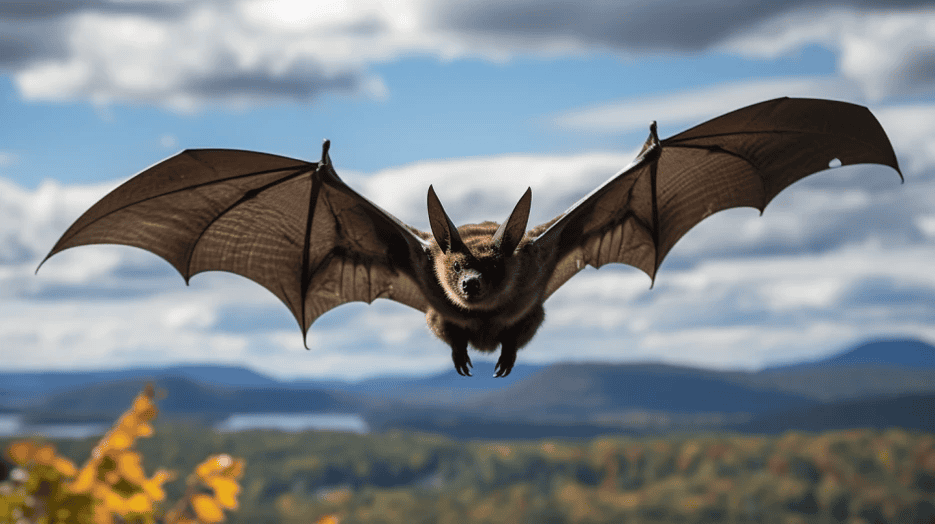
What Actually Works: Proven Bat Repellents and Why They Deter Bats
Effective bat repellents are those with empirical support from field trials or controlled studies demonstrating reduced roosting or foraging activity.
Literature indicates that exclusion and habitat modification show consistent efficacy; sealing entry points and altering lighting or vegetation reduce attractants and access.
Ultrasonic devices produce mixed results: controlled studies often find limited or short-term displacement, likely due to habituation and frequency attenuation.
Scent based deterrents—commercial predator odors or concentrated sulfur compounds—have variable outcomes, with effectiveness depending on concentration igreenasia, application persistence, and species-specific olfactory sensitivity.
Integrated approaches combining proven physical barriers with targeted, evidence-backed repellents yield the most reliable reductions in bat presence.
Recommendations prioritize methods that minimize non-target impacts and respect legal protections for bat populations.
How to Choose a Legal and Humane Repellent for Your Situation
When selecting a bat repellent, decision-making should prioritize methods that are both legally permissible and supported by scientific evidence of humane effectiveness.
An objective assessment balances regulatory compliance, welfare outcomes, and respect for habitat preservation and personal autonomy.
Review local ordinances before implementation and document permitted times and techniques. Consider proven, nonlethal options with peer-reviewed support.
- Verify compliance: check local ordinances and wildlife protection statutes.
- Evaluate evidence: prioritize repellents with published efficacy and minimal stress indicators.
- Preserve habitat: choose approaches that avoid roost destruction and support long-term coexistence.
Selections should favor reversible, minimally invasive measures that protect property while conserving bat populations.
Record decisions and consult licensed wildlife professionals when regulations or welfare outcomes are unclear.
Match the Method to the Entry Point and Bat Species
Matching repellent methods to specific entry points and bat species requires assessment of roosting behavior, flight access, and sensory ecology to guarantee both legality and efficacy. Practitioners prioritize roost identification to determine whether bats use eaves, attics, chimneys, or exterior crevices; each entry demands tailored exclusion timing and device selection.
Evidence-based selection considers species behavior—migratory versus sedentary, colonial versus solitary—to predict tolerance to deterrents and best season for intervention. Visual, acoustic, and olfactory tools vary in effectiveness by sensory modality and access geometry.
Legal constraints and conservation status further constrain choices. Objective assessment of entry geometry, population size, and documented species behavior yields a targeted strategy that minimizes disturbance, maximizes removal success, and preserves occupants’ freedom to choose humane, compliant measures.
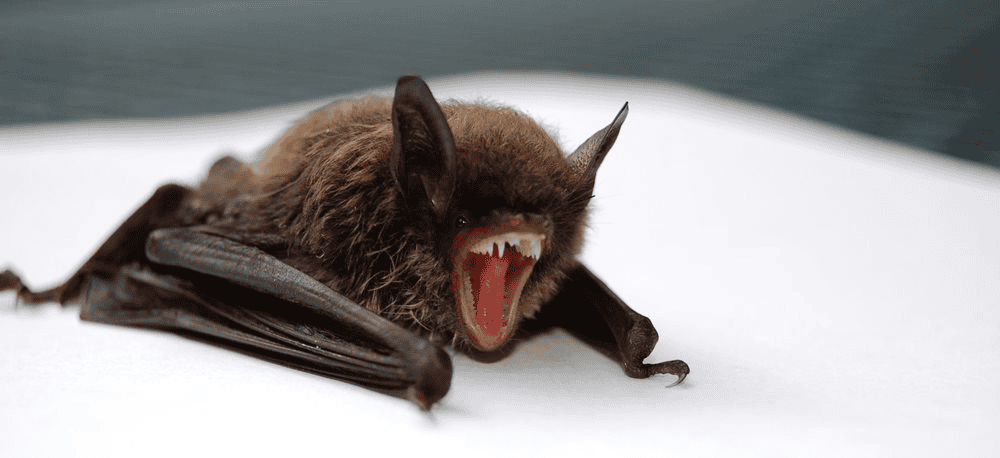
Step-by-Step Installation and Best Practices for Lasting Results
Beginning with a site survey and species confirmation, the installation sequence follows a structured protocol: document entry points and colony size, schedule work for non-breeding seasons where legally required, select exclusion materials and deterrents matched to the identified openings and bat behavior, install one-way exclusion devices or sealants according to manufacturer specifications and best-practice guidelines, and verify exclusion effectiveness with post-installation inspections and follow-up monitoring to guarantee no re-entry or unintended harm.
The technician then completes an installation checklist covering materials, fasteners, attachment points, and monitoring schedules.
Recommended practices:
- Confirm seasonal timing and legal windows before any exclusion work.
- Use manufacturer-recommended anchors and test one-way devices for at least 72 hours.
- Perform documented follow-up inspections at 1, 4, and 12 weeks.
Common Mistakes, When to Call a Pro, and Safety/Legal Checklist
After completing exclusion and monitoring steps, technicians should be aware of common errors that compromise effectiveness or violate regulations and recognize situations that require professional intervention.
Common misconceptions include assuming repellents alone resolve colonies, misidentifying entry points, or neglecting seasonal behavior patterns; evidence supports integrated exclusion plus targeted repellents.
DIY hazards arise from improper adhesive use, unsafe placement near vents, or disturbance of maternal bats, increasing legal and welfare risks.
Call a licensed wildlife control professional when bats are inside occupied living spaces, when roost size exceeds safe handling protocols, or when local laws protect species.
Safety/legal checklist: verify permits, use PPE, document exclusion integrity, avoid lethal methods unless authorized, and maintain records for accountability.
Conclusion
Conclusions emphasize that evidence-based, species-specific approaches yield the best outcomes: exclusion, habitat modification, and approved deterrents consistently outperform unverified remedies. Selection should prioritize legal, humane methods matched to entry points and bat behavior, with careful installation and monitoring to guarantee effectiveness. Practitioners should avoid common mistakes, document results, and consult licensed professionals when infestations persist or protected species are present. Safety, legality, and long-term habitat reduction remain central to lasting success.